Best Toothpaste for Sensitive Teeth: Key Ingredients for Lasting Relief & Enamel Protection
By Hismile | Published: 2026-06-24
Category: Product Reviews
Struggling with tooth sensitivity? Discover the best toothpaste for sensitive teeth, including key ingredients like potassium nitrate and stannous fluoride, plus expert tips for enamel protection.
If you’ve ever winced while sipping a hot coffee or biting into a cold ice cream, you know how disruptive tooth sensitivity can be. Affecting nearly 1 in 3 adults, sensitivity—also known as dentin hypersensitivity—occurs when the protective enamel layer wears down, exposing the underlying dentin and nerve endings. The right toothpaste can make all the difference, but with so many options on the market, how do you choose the best toothpaste for sensitive teeth? In this guide, we’ll break down the specific toothpaste ingredients that deliver real relief, support enamel protection, and keep your smile comfortable and bright.
Understanding Tooth Sensitivity: Why Your Teeth Hurt
Tooth sensitivity often results from enamel erosion, gum recession, or microscopic cracks that expose dentin tubules. These tiny channels lead directly to the tooth’s nerve center, and when triggered by temperature changes, acidic foods, or even air, they cause sharp, temporary pain. Common causes include:
- Over-brushing with hard bristles
- Acidic diet (citrus, soda, wine)
- Teeth grinding (bruxism)
- Gum disease or receding gums
- Professional whitening treatments
For lasting relief, a specialized sensitive teeth toothpaste should be part of your daily routine. But not all formulas are created equal—the active ingredients matter.
Key Ingredients to Look for in the Best Toothpaste for Sensitive Teeth
When scanning the label of a sensitivity-focused toothpaste, watch for these clinically proven components:
1. Potassium Nitrate – The Nerve Calmer
Potassium nitrate is one of the most common and effective ingredients in sensitivity toothpaste. It works by soothing the nerve endings inside the tooth, reducing the transmission of pain signals. Studies show that consistent use over two to four weeks can significantly lower sensitivity. Look for a toothpaste with at least 5% potassium nitrate for best results.
2. Stannous Fluoride – The Double-Action Protector
Stannous fluoride not only strengthens enamel with fluoride but also forms a protective barrier over exposed dentin tubules. This provides rapid relief—often within days—while also fighting cavities and plaque. Many brands now include stannous fluoride as their primary sensitivity-fighting agent.
3. Hydroxyapatite – The Natural Enamel Rebuilder
Hydroxyapatite is a form of calcium phosphate that mimics the natural mineral structure of enamel. It can fill microscopic pores and repair initial enamel damage, reducing sensitivity at the source. This ingredient is especially popular in enamel protection formulas and is a safer alternative for those who prefer fluoride-free options.
4. Arginine + Calcium Carbonate – The Tubule Sealer
This combination works by physically plugging the open dentin tubules, preventing triggers from reaching the nerve. Arginine, an amino acid, binds with calcium carbonate to form a durable seal. Research shows this can provide immediate relief after a single brushing.
5. Nano-Hydroxyapatite – Advanced Repair Technology
Similar to hydroxyapatite but with smaller particles, nano-hydroxyapatite penetrates deeper into enamel defects. It’s increasingly found in premium toothpastes and offers excellent enamel protection along with sensitivity relief.
How to Choose the Right Sensitive Teeth Toothpaste for Your Needs
Not every sensitive toothpaste works for everyone. Consider your specific triggers and dental history:
- For immediate relief: Look for formulas with stannous fluoride or arginine.
- For long-term enamel restoration: Choose hydroxyapatite or nano-hydroxyapatite.
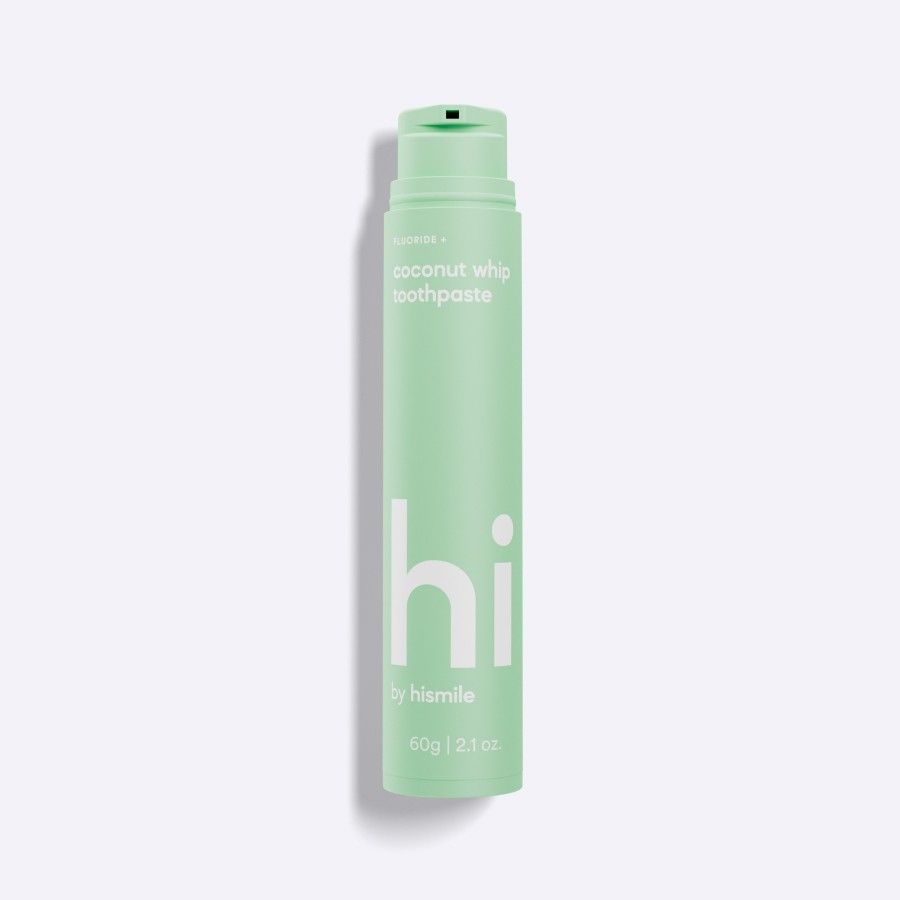
- For whitening without pain: Opt for a toothpaste that combines sensitivity relief with gentle whitening agents, such as the Hismile Toothpaste, which uses non-abrasive ingredients to brighten while protecting enamel.
- If you have gum recession: Avoid whitening peroxides and choose a potassium nitrate-based formula.
Ingredients to Avoid in Sensitivity Toothpaste
Some common toothpaste additives can worsen sensitivity or damage enamel over time. Steer clear of:
- Sodium lauryl sulfate (SLS): Can irritate sensitive gums and trigger canker sores.
- Harsh abrasives: Ingredients like silica or calcium carbonate in high concentrations can erode enamel.
- Peroxide-based whitening agents: While effective for whitening, they can increase sensitivity in already vulnerable teeth.
- Artificial flavors and colors: May cause gum irritation in some individuals.
Building a Complete Sensitivity-Friendly Oral Care Routine
While the best toothpaste for sensitive teeth is a cornerstone, a holistic approach yields the best results. Here’s how to complement your toothpaste:
Use a Soft-Bristled Toothbrush
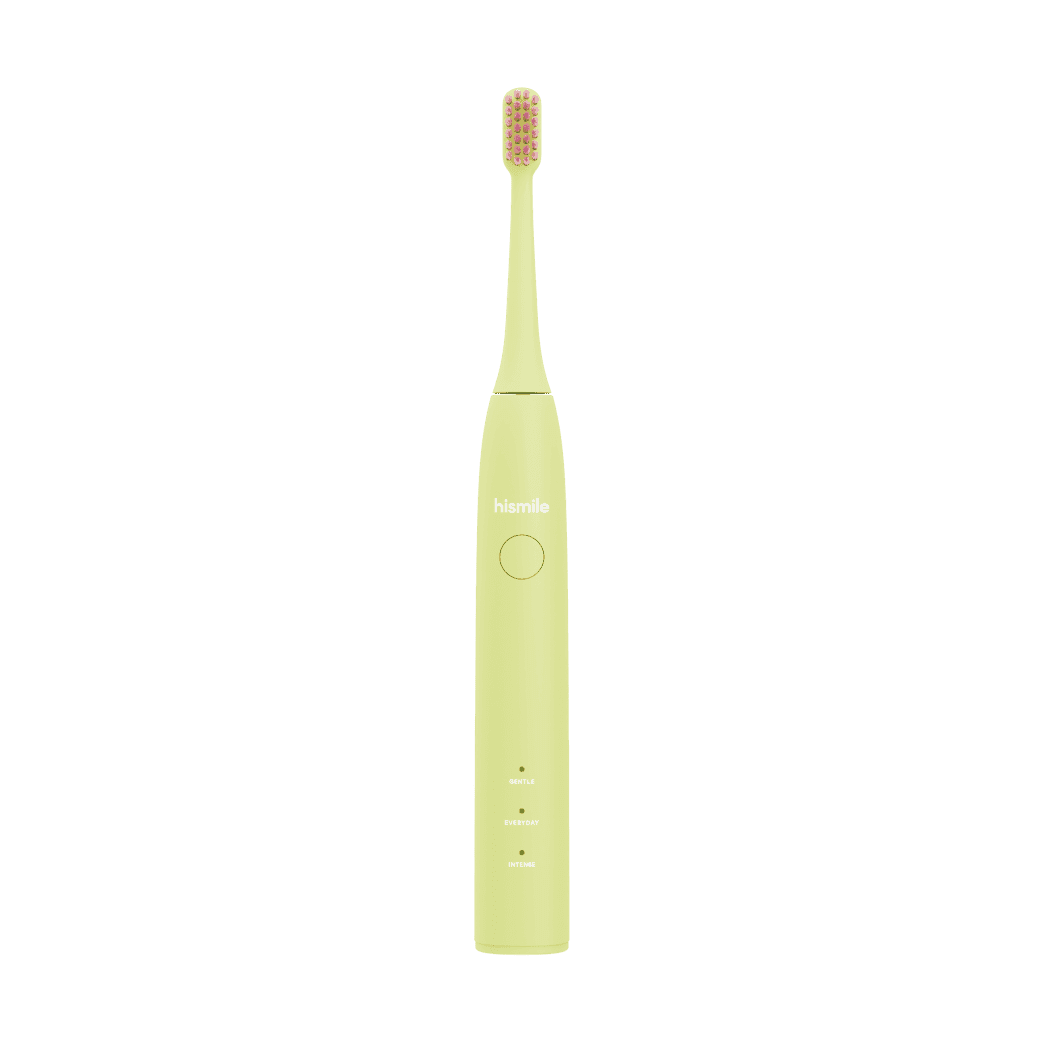
Hard bristles can accelerate enamel wear and gum recession. Switch to a soft or extra-soft brush. The Khaki Pink Electric Toothbrush offers gentle yet effective cleaning with pressure sensor technology to prevent over-brushing.
Consider a Desensitizing Mouthwash
Rinses with potassium nitrate or stannous fluoride can provide extra protection between brushings. Products like the iD Stain Whitening Mouthwash are formulated to be gentle on enamel while reducing stain buildup.
Avoid Acidic Foods and Drinks
Acid softens enamel, making it more vulnerable to abrasion. If you consume acidic foods, rinse with water afterward and wait at least 30 minutes before brushing.
Consider Whitening Strips with Care
If you want a brighter smile but suffer from sensitivity, choose whitening strips with lower peroxide levels or desensitizing agents. The V34 Whitening Strips are designed for sensitive users and feature a gentle formula that minimizes discomfort.
When to See a Dentist
If your sensitivity persists despite using a specialized toothpaste, consult your dentist. Persistent pain could indicate underlying issues such as cavities, cracked teeth, or gum disease. A professional can recommend in-office treatments like fluoride varnish, bonding, or a custom desensitizing regimen.
Frequently Asked Questions About Sensitive Teeth Toothpaste
How long does it take for sensitivity toothpaste to work?
Most formulas require consistent use for two to four weeks to show significant improvement. Some stannous fluoride or arginine-based pastes may provide relief after a few days.
Can I use sensitivity toothpaste if I don’t have sensitive teeth?
Yes, it’s safe for daily use. However, the active ingredients won’t harm non-sensitive teeth, but you may not need the extra protection.
Is natural toothpaste effective for sensitivity?
Some natural options with hydroxyapatite or nano-hydroxyapatite can be effective, but they may lack fluoride. For maximum protection, choose a formula that combines natural ingredients with clinically proven actives.
Can whitening toothpaste cause sensitivity?
Yes, many whitening toothpastes contain peroxide or high abrasives that can increase sensitivity. Look for a whitening formula specifically designed for sensitive teeth, such as the Hismile Toothpaste, which uses gentle PAP+ technology to whiten without pain.
Final Thoughts: Comfort and Confidence in Every Smile
Living with tooth sensitivity doesn’t mean you have to give up the foods and drinks you love. By choosing a toothpaste with the right ingredients—like potassium nitrate, stannous fluoride, or hydroxyapatite—and adopting a gentle oral care routine, you can enjoy lasting relief and a healthier smile. Remember, the best toothpaste for sensitive teeth is one that matches your unique needs and fits seamlessly into your daily habits.
Ready to transform your oral care routine? Explore the Hismile Toothpaste today—a powerful, non-abrasive formula that whitens gently while protecting sensitive enamel. Your smile will thank you.